

What Will Fail a Home Inspection? The Issues That Commonly Trigger Red Flags in Kentucky Homes
What Will Fail a Home Inspection? The Most Common “Deal-Stopper” Issues
If you’re buying or selling in Owensboro (or anywhere in Kentucky), it’s normal to worry about what will fail a home inspection—especially if you’ve heard stories about deals falling apart over “one bad report.”
Here’s the reality: most inspections don’t come back “perfect,” but some home inspection red flags are more likely to trigger big repair requests, credits, or a renegotiation. This guide breaks down the major home inspection issues that commonly get labeled as “deal breakers,” plus what to do next—whether you’re a buyer preparing for inspections or a seller getting ready to list.
If you’re just starting your search, browsing current Owensboro-area listings can help you spot patterns (age of roof, basement vs. crawlspace, older wiring indicators) before you even schedule a showing.
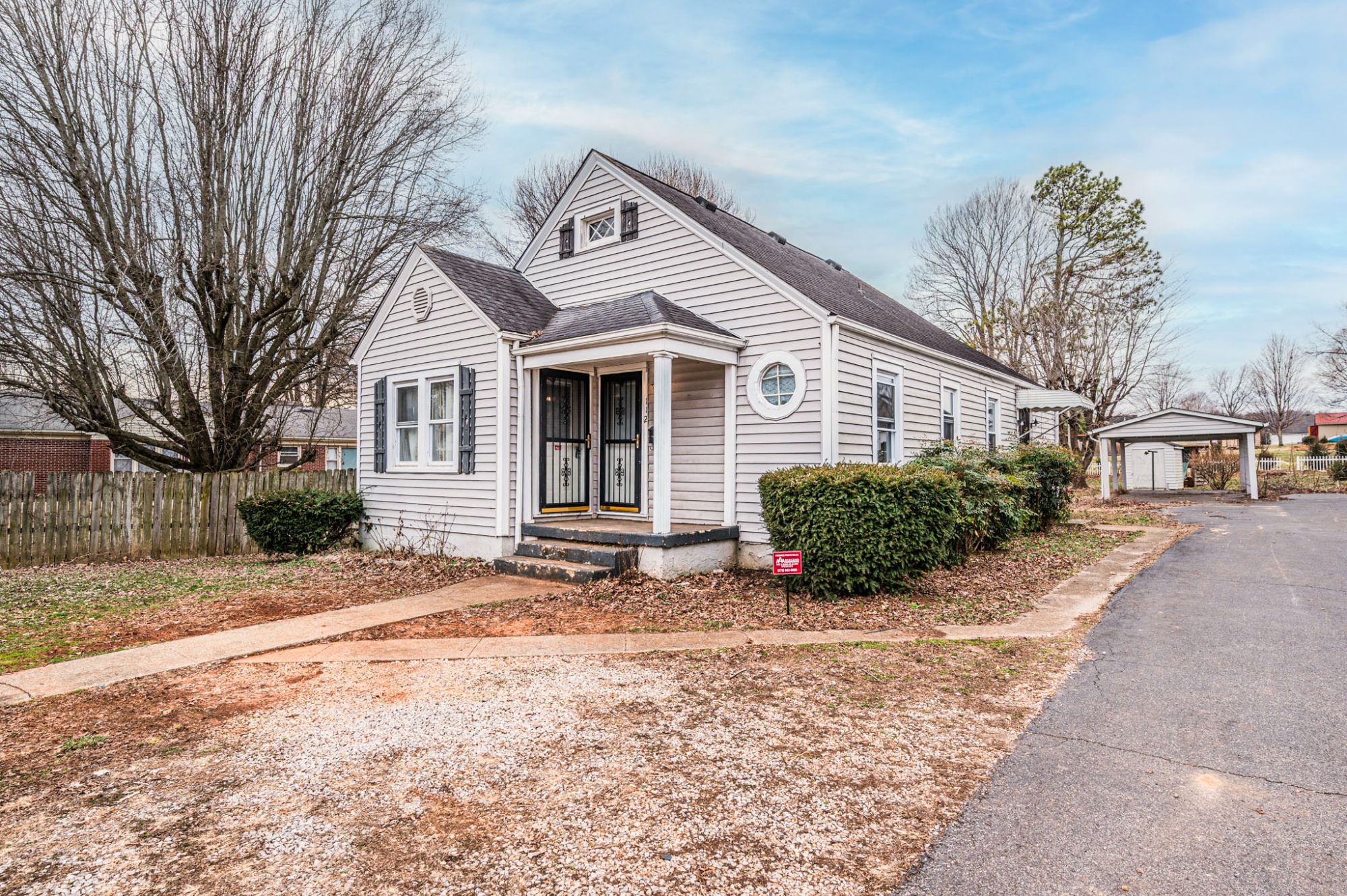
First—can you actually “fail” a home inspection?
A home inspection is usually not a pass/fail test. It’s a professional opinion report describing conditions, risks, and recommended next steps.
Why inspections are typically pass/fail only for certain loan/safety requirements
“Pass/fail” tends to come into play when a home must meet minimum property standards tied to financing or safety/occupancy requirements. For example, some repairs may be required for certain FHA or VA loans based on health and safety criteria (separate from the inspection itself). For background reading, see HUD’s overview of FHA-related homeownership resources at HUD.gov and VA’s explanation of the VA appraisal process at VA.gov.
What a report really does: findings + priorities + recommendations
A typical report:
- documents visible issues
- flags safety concerns
- notes maintenance items
- recommends further evaluation when needed (roofing contractor, electrician, plumber, structural engineer)
A good inspection helps buyers decide what to request—and helps sellers reduce surprises before going live.
If you’re selling and want to plan ahead, many homeowners start with a pricing baseline using a home value evaluation and then decide which repairs actually support marketability.
The biggest “red flag” categories inspectors commonly call out
Some findings are “normal homeowner maintenance.” Others raise bigger questions about cost, safety, or unknown damage.
Structural movement, foundation concerns, or significant framing issues
These are classic home inspection deal breakers when they suggest active movement or compromised supports, such as:
- large/expanding foundation cracks
- bowing basement walls
- sloping floors with signs of movement
- significant joist, beam, or framing damage
Not every crack is a crisis, but anything that suggests ongoing movement often triggers a specialist evaluation.
Active moisture intrusion, mold-like conditions, or chronic leaks
Water is one of the most expensive “quiet” problems because it can lead to rot, structural damage, and indoor air quality concerns. Common flags include:
- stains with active dampness
- recurring basement seepage
- wet crawlspaces, standing water, or heavy condensation
- repeated patching that suggests a long-term leak
Roof near end-of-life, active leaks, flashing problems
Roof issues home inspection findings that tend to escalate negotiations:
- active leaks or water intrusion in attic/ceilings
- missing shingles, significant granule loss, soft decking
- failing flashing around chimneys/valleys/penetrations
Even when a roof isn’t actively leaking, “near end-of-life” can change how buyers budget and negotiate.
For buyers who want to understand what an inspection covers (and what it doesn’t), InterNACHI’s consumer resources are a solid reference: InterNACHI Home Inspection resources.
Safety hazards that often trigger urgent repair requests
Safety issues are the quickest way to turn a “minor list” into “we need this handled before closing.”
Electrical hazards
Common electrical issues home inspection red flags include:
- exposed or damaged wiring
- improper splices/open junction boxes
- overloaded circuits or unsafe DIY work
- missing GFCI protection where expected (kitchens, baths, garages, exterior)
- evidence of overheating at connections
Electrical is also an area where “it works” isn’t the same as “it’s safe.”
Fire/smoke safety
Inspectors often flag:
- missing smoke detectors (and CO detectors where applicable)
- blocked egress windows/doors
- unsafe dryer venting
- wood stoves/fireplaces with venting concerns
Gas/CO concerns
For homes with gas appliances, common issues include:
- improper venting
- suspected leaks (which require immediate attention)
- inadequate combustion air or backdrafting indicators
If you’re house-hunting and want to avoid surprises, it can help to narrow your search to homes that match your comfort level with updates by using featured listings and noting ages of major systems.
Mechanical systems: HVAC, plumbing, and water heater issues that worry buyers
These findings don’t always “kill” a deal, but they often drive credits or repair negotiations—especially when combined with age and maintenance concerns.
HVAC problems
Common HVAC problems home inspection concerns include:
- system not heating/cooling to normal expectations
- poor airflow, unusual noise, or short-cycling
- rusted/blocked condensate drains, water damage near air handler
- dirty filters and neglected service indicators
HVAC age alone isn’t always a deal breaker, but poor performance and deferred maintenance can be.
Plumbing issues
Frequent plumbing problems home inspection findings:
- active leaks under sinks or at supply valves
- corrosion on visible pipes
- slow drains or signs of recurring clogs
- improper materials or DIY repairs
- water pressure issues (sometimes tied to old plumbing or regulators)
Water heater issues
Typical red flags include:
- leaking tank or corrosion at fittings
- missing/incorrect TPR discharge piping
- venting concerns (especially on gas units)
- questionable installation (strapping, clearance, etc.)
Exterior and drainage: the “quiet” issues that become expensive
Exterior conditions often predict future water problems—and water problems are negotiation magnets.
Poor grading/drainage toward the home
Look for:
- soil sloping toward the foundation
- standing water near the home
- missing gutters/downspouts or short downspout discharge
Rotting trim/siding, wood-to-soil contact, pest entry points
These can signal moisture exposure and increase pest risk, such as:
- rotted fascia/trim
- peeling, deteriorated exterior surfaces
- gaps around penetrations and sill plates
Deck/porch safety
Deck issues come up constantly:
- loose or missing guardrails
- unsafe stair rise/run or missing handrails
- questionable ledger attachment or supports
If you’re selling soon, a quick consult through our selling resources can help you prioritize fixes that reduce inspection friction without over-improving.
“Conditional” problems tied to financing or occupancy
This is where people get the idea of what fails inspection on a house—because the transaction can be conditioned on certain repairs.
FHA/VA-style safety/health notes
These often focus on obvious health/safety items, like:
- peeling paint on older homes (lead-based paint risk)
- broken windows
- missing handrails at steps
- trip hazards and exposed wiring
- missing appliances or non-functional utilities (varies by scenario)
Always confirm loan-specific requirements with your lender early.
Appraisal-related repairs vs inspection repairs
An appraisal focuses on value and basic property condition requirements; an inspection is a detailed condition report. You can have:
- an appraisal that requires repairs even if the inspection is “not terrible,” or
- an inspection with a long list that doesn’t affect financing but affects negotiations.
What to do if the inspection finds major issues
Big findings aren’t automatically the end of the deal. They’re a decision point.
How to prioritize: safety first, then water/structure, then systems
A practical order of operations:
- safety hazards (electrical, gas/CO, egress)
- active water intrusion + structural concerns
- major systems performance (HVAC, plumbing, roof)
- maintenance items and cosmetics
Repair request vs credit vs price adjustment (and when to bring in specialists)
Common paths:
- repair request: best when safety or active leaks are present and you want the work completed before closing
- credit: useful when you want to choose your own contractor after closing
- price adjustment: sometimes used when repairs are broad or hard to scope quickly
When the report says “further evaluation,” take it seriously and bring in the right specialist to firm up the scope and cost.
If you want help interpreting how inspection findings typically play out in local negotiations, start with our FAQ page or reach out via contact with the general category of the issue (roof, structure, electrical, etc.).
When walking away is reasonable (timeline + contingency considerations)
Walking away can be reasonable when:
- a specialist confirms a serious structural/water issue
- repairs exceed your comfort level
- the seller won’t negotiate within your inspection contingency timeframe
Your contract deadlines matter, so keep your inspection and follow-up evaluations scheduled early.
Seller prep checklist to reduce surprises
If you’re preparing to list in Owensboro or the surrounding area, the goal isn’t to make a home “perfect.” It’s to reduce the kinds of surprises that derail trust.
Quick wins
These are inexpensive fixes that commonly show up as inspection notes:
- confirm smoke/CO detectors are installed and functional
- replace HVAC filters; ensure clear access to equipment
- fix visible plumbing leaks (under sinks, toilets, hose bibs)
- ensure downspouts move water away from the foundation
- secure loose handrails; replace missing GFCI covers where appropriate
- clear crawlspace/attic access points for inspection
Before you list, it can help to compare how well-prepped homes present online by browsing active listings and seeing what condition notes come up in similar properties.
Pre-list inspection: when it can help (and when it can complicate)
A pre-list inspection can help if you:
- want to find safety/water issues early
- prefer to fix problems on your schedule
- want fewer last-minute negotiations
It can complicate things if you:
- don’t plan to address findings and aren’t prepared for follow-up questions
- uncover issues that require specialist documentation
If you’re deciding whether to do one, a quick strategy call through our contact page can help you weigh the pros and cons for your home and timeline.
Categories
Recent Posts

"My job is to find and attract mastery-based agents to the office, protect the culture, and make sure everyone is happy! "