

New Construction Homes in Owensboro KY: Where to Look, What to Expect, and How the Process Works (2026)
New Construction Homes in Owensboro KY: A Practical 2026 Guide for Buyers
Shopping new construction homes in Owensboro KY can feel straightforward (“pick a plan, pick a lot, wait for closing”)—until you get into the details: what’s standard vs. upgraded, how timelines shift, and what costs show up after you sign.
This guide breaks down the big decisions behind Owensboro KY new builds, how to find inventory, and how the process works—without hype—so you can compare new construction against resale homes with confidence. If you’re actively shopping, start by bookmarking new homes for sale in Owensboro KY and saving a few favorites to compare timelines, included features, and neighborhood location.
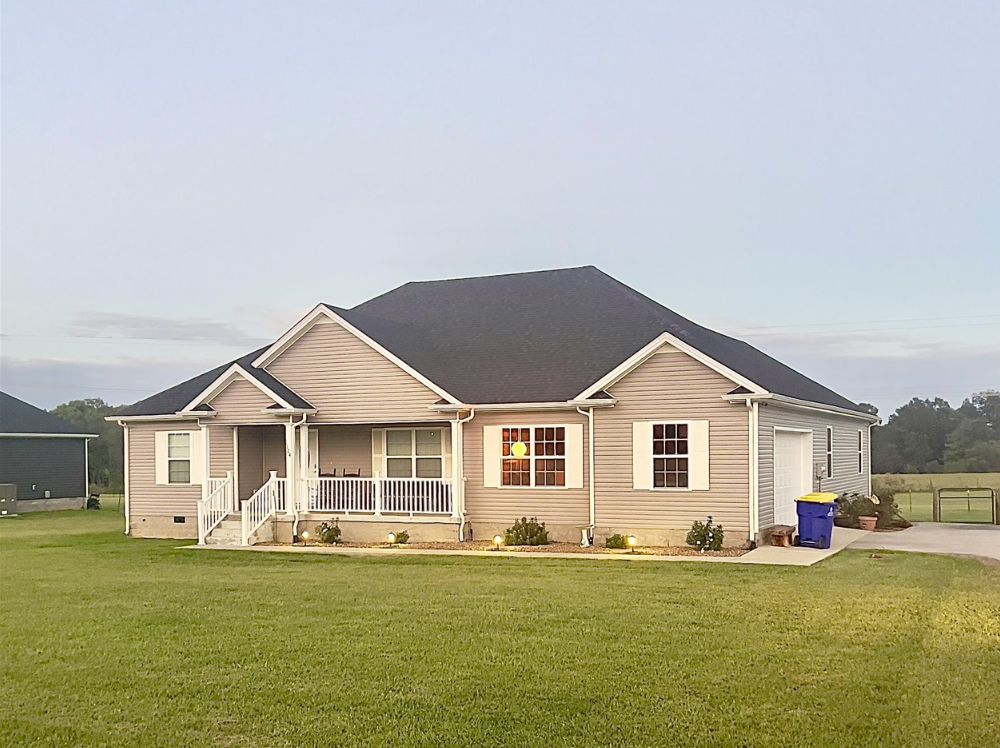
New construction in Owensboro: what counts as “new” (and why it matters)
“New” can mean different things depending on whether the home is already built, under construction, or planned.
Spec homes vs. semi-custom vs. custom builds
- Spec homes Owensboro KY: built (or nearly built) with pre-selected finishes. Often the fastest move-in option.
- Semi-custom: you choose from a menu of plans and selections within a builder’s system (common in subdivisions).
- Custom homes Owensboro KY: you (and your builder) design the home and pick everything, usually with the most flexible timeline and budget range.
New build vs “new-to-you” (recent resale)
Some buyers widen their search to “recent resale” homes (built in the last few years) because they may still feel modern, but can offer:
- established landscaping
- finished fences or patios
- window treatments and appliances already in place
You can compare both paths quickly by checking featured listings and then looking at recent sold listings to see what’s actually been closing.
Where to find new construction homes in Owensboro KY
MLS listings vs builder inventory sites (and why some homes don’t show everywhere)
Most buyers start with MLS search results, because it’s the broadest “one place” view of available homes—including many spec homes and homes that are already under contract but may show as pending.
That’s why it’s helpful to keep an eye on the newest inventory via Owensboro-area listings while also touring model homes and asking what’s coming next.
How to spot “coming soon” builds and new phases in a subdivision
New phases and “coming soon” homes may appear before they’re fully marketed. Clues to watch for:
- fresh lot clearing and new curb cuts
- new streets or utility work
- “model home” signage and phase maps in the neighborhood
For a local planning angle, Owensboro/Daviess County permitting and plan review is coordinated through countywide planning/building services (plan review, permits, inspections, zoning administration).
What the new construction buying process looks like (step-by-step)
New construction contracts vary by builder, but the overall flow is typically consistent.
Touring model homes and understanding “standard vs upgrade”
Model homes often include upgrades. Before you fall in love with a look, ask:
- What’s included as standard for this plan?
- What’s considered an upgrade (flooring, cabinets, countertops, lighting, trim)?
- Are there upgrade bundles, and what do they actually include?
A simple strategy: take photos of the features you like and have the builder mark which are standard vs. optional so you can budget realistically.
Contract basics: deposits, timelines, and change orders (high-level)
Most new construction contracts include:
- an initial deposit (sometimes split between contract signing and selections)
- milestone dates (estimated, not guaranteed)
- a change order process (how upgrades/changes are priced and approved)
If you want help comparing builder contract terms to resale contingencies in a way that fits your timeline, the FAQ page is a good place to start.
When financing locks in (and what can affect your payment)
Your monthly payment can change during a build depending on:
- rate movement and lock timing
- price changes from upgrades/change orders
- appraisal results (especially if selections push the price above nearby comps)
For an easy way to understand what lenders disclose and when, the CFPB explains how the Loan Estimate and Closing Disclosure are designed to show costs and help you compare.
Budget reality: what costs surprise buyers most
New construction often shifts some costs from “home price” into “after closing” items—and that’s where surprises happen.
Upgrades and design selections (how to stay on budget)
Common budget traps:
- “just one more” upgrade choices adding up
- selecting premium finishes in multiple rooms
- upgrading structural options (layout changes) late in the process
Practical guardrails:
- decide your max upgrade budget before the design appointment
- prioritize the upgrades that are hardest to change later (layout, electrical, structural)
- treat cosmetic items (paint, fixtures) as optional unless you truly want them now
Lot premiums, fencing, landscaping, blinds, appliances (what’s included varies)
Ask early what’s included in base pricing:
- lot premium (if any)
- landscaping and sod vs. seed
- fencing rules and whether fencing is included
- appliances (which ones, if any)
- garage door openers, gutters, mailbox, blinds/window coverings
These “included or not” items can change your true move-in cost.
Closing costs and prepaids (use placeholders)
For new construction closing costs Kentucky, your lender and title/settlement provider will itemize these. To keep your estimate realistic, build a placeholder budget like:
- Buyer closing costs: [Confirm with lender/title]
- Prepaids/escrows (taxes/insurance/prepaid interest): [Confirm with lender/title]
- Builder credits/incentives (if offered): [Confirm with builder + lender]
Your Loan Estimate and Closing Disclosure are the best tools for tracking what’s real and what can still change before closing.
Inspections for new construction: what to do (and when)
Even brand-new homes benefit from independent inspections. Inspectors can catch installation issues, drainage concerns, and incomplete items that are easier to fix before closing.
Pre-drywall inspection vs final inspection
Many buyers consider:
- Pre-drywall inspection: focuses on framing, rough-in electrical/plumbing/HVAC, and visible structural components.
- Final inspection: checks function, safety items, and finishing quality before closing.
If something comes up, you may bring in specialists (roofing, HVAC, electrician) for a deeper evaluation.
Punch list walkthrough: how to document issues clearly
Treat the punch list like a mini project plan:
- take photos and label the room + wall
- describe the issue clearly (“paint drip on trim,” “door rubs on jamb,” “outlet loose”)
- confirm whether items are fixed before closing or scheduled after move-in
Warranties and builder reputation: what to verify before you sign
A new construction home warranty is one of the biggest advantages of buying new—but the details matter.
Typical warranty categories (confirm specifics)
Many builders structure warranties in categories like:
- workmanship/finish items
- major systems (HVAC, plumbing, electrical)
- structural components
Always confirm:
- warranty length for each category
- what’s excluded
- how to submit claims and timelines for response
- whether warranty transfers if you sell
What to ask past buyers and what to look for in online reviews
Instead of relying on star ratings alone, look for patterns:
- responsiveness to warranty requests
- clarity of communication during build
- consistency in subcontractor quality
- how punch list items were handled
If you want local guidance that’s focused on process and expectations (not sales pressure), you can reach out through contact.
Timeline and logistics: moving plans, contingencies, and build delays
Weather/material delays and how to protect your move timeline
Build timelines can shift for reasons outside anyone’s control (weather, materials, scheduling). Ways to reduce stress:
- avoid booking movers too early
- ask how the builder updates timeline changes and how often
- keep a short-term housing backup plan if your timeline is tight
Selling your current home while building (bridge options + timing tips)
If you need to sell a current home while building:
- plan your sale timeline conservatively
- ask your lender about options that fit your finances and risk tolerance
- consider whether a rent-back (if available) could help
You can start your sale planning with sell with The Harris Group and get a baseline estimate via a home value evaluation.
When resale might be a better fit than new construction
New isn’t always “better”—it’s just different.
Faster move-in, mature neighborhoods, larger lots (objective tradeoffs)
A resale home can be a better fit if you want:
- a faster closing timeline
- established neighborhoods and mature trees
- larger lots or more variety in architecture
How to compare true monthly costs and maintenance expectations
To compare fairly, line up:
- price + estimated payment
- HOA dues (if any)
- expected maintenance in the first 1–3 years
- what you’ll spend after closing (fence, blinds, landscaping, appliances)
A quick way to do this is to compare a few new and resale listings side-by-side and then check what similar properties have been doing in recent sold listings.
Categories
Recent Posts

"My job is to find and attract mastery-based agents to the office, protect the culture, and make sure everyone is happy! "