

Pros and Cons of New Construction Homes in Owensboro KY (What Buyers Should Know)
Pros and Cons of New Construction Homes in Owensboro KY
If you’re comparing new construction homes Owensboro KY with existing homes, you’re not alone. Many Owensboro and Daviess County buyers like the idea of a move-in ready home with modern layouts—but they also want to avoid surprise costs, timeline stress, and upgrade overload.
This guide walks through the pros and cons of new construction homes, the real-world costs beyond the base price, and the questions to ask so you can decide whether buying new construction in Owensboro fits your timeline and budget. If you want to see what’s available right now, start by browsing the latest property listings and filtering for move-in ready options.
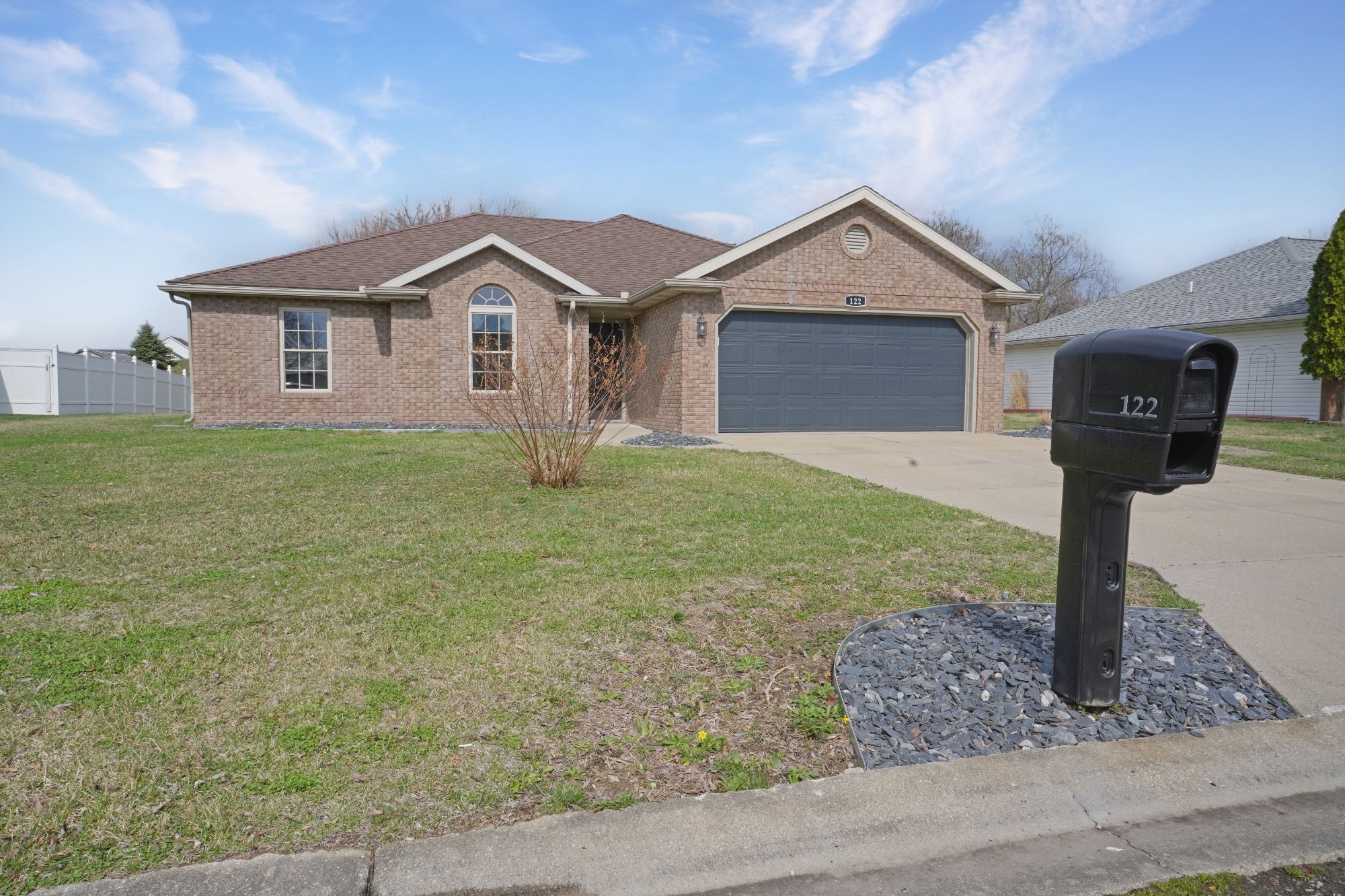
What “new construction” means in Owensboro (spec, semi-custom, custom)
“New construction” can describe a few different paths, and the right one depends on how much control you want over finishes, timeline, and price.
- Spec home (inventory home): Built (or nearly built) before a buyer is under contract.
- Semi-custom: You choose from builder packages and options (often within set boundaries).
- Custom build: You select the lot, plan, and finishes (with more flexibility and more decision points).
If you’re trying to decide which path matches your goals, it helps to talk through your priorities with a local agent and compare active and upcoming options on the featured listings page.
Spec homes vs building from the ground up (how the process differs)
Move-in ready new construction (spec) is typically simpler:
- Fewer design decisions
- Shorter lead time
- More predictable pricing (since many options are already chosen)
Building from the ground up can offer more personalization:
- More choices (and more chances for change-order costs)
- Longer timeline
- More steps: selections, approvals, inspections, walk-throughs
The biggest pros of buying a new construction home
Modern layouts + energy features (what to look for)
Many buyers choose new builds for everyday function—open living areas, storage, and layouts that match current lifestyles. Newer homes may also include updated insulation, windows, and HVAC efficiency, but features vary by builder and plan.
What to look for during tours:
- Practical storage (pantries, closets, mudroom-style entries)
- Window placement and natural light
- Mechanical system age and documentation
- A clear list of what’s included vs optional
If you’re comparing multiple neighborhoods and home styles, it can help to save your favorites from the latest listings so you can review them side-by-side.
Lower early maintenance + builder warranty basics
A major advantage of a new home is that big-ticket systems are new. That can reduce early repair needs, though it doesn’t eliminate them.
New build warranties Kentucky vary, so ask for the written warranty and confirm:
- What’s covered (workmanship, systems, structural)
- How claims are submitted
- Exclusions (common examples include landscaping, normal settling, and owner maintenance)
For general homebuying guidance and what to expect in a transaction, the National Association of Realtors homebuyer resources can be a helpful reference.
Personalization options (when they’re worth it)
Options can be a great value when they’re hard to change later. Many buyers prioritize:
- Electrical additions (outlets, lighting, EV charging prep)
- Cabinetry and countertop upgrades
- Flooring choices (especially if you want consistent flooring throughout)
Often, it’s smarter to skip upgrades that are easy to do later (some fixtures, some landscaping items) and focus on changes that are expensive to retrofit.
The biggest cons (and what surprises buyers most often)
Upgrade costs and “base price” reality
One of the most common surprises is how quickly upgrade costs new construction can add up. The “base price” may not include the same finishes you saw in a model home.
To avoid budget shock, ask for:
- A written list of included finishes
- The price sheet for options (before you fall in love with the model)
- Allowances and what happens if you exceed them
Timelines, delays, and what impacts completion dates
A new construction closing timeline can be affected by:
- Permitting and inspections
- Material availability
- Weather (especially exterior work)
- Subcontractor scheduling
If timing matters (job relocation, school calendars, lease endings), build in buffer time and make sure your contract explains what happens if the completion date shifts.
Landscaping, fencing, window treatments, and “after move-in” costs
New homes can come with “finish-up” costs that don’t always show in the purchase price:
- Sod/seed, irrigation, trees, or drainage work
- Fencing or HOA-approved fencing requirements
- Blinds and window coverings
- Patio additions, deck upgrades, storage sheds (if allowed)
These aren’t dealbreakers—but they should be part of your cash plan before closing.
New construction costs in plain language (beyond the purchase price)
Deposits, allowances, change orders, and appraisal considerations
Here are terms you’ll see often when comparing spec vs custom:
- Deposit: Money paid upfront to secure the contract or start selections
- Allowance: A budget amount for an item (lighting, flooring, cabinets). If you choose above the allowance, you pay the difference.
- Change order: A paid request to alter the scope after decisions are finalized—often with extra fees and timeline impact.
Also, remember that appraisals typically rely on comparable sales. If your final price includes many upgrades, ask early how upgrades are documented and whether they’re likely to be supported by comps in that area.
Utilities, taxes, and escrow estimates (what to confirm early)
Before you commit, confirm:
- Utility providers and connection fees (if applicable)
- Whether property taxes are estimated based on land only or the completed home
- HOA dues (if any) and what they cover
- Escrow estimates and whether they account for a full tax year
For consumer-friendly explanations of closing costs and loan estimates, the Consumer Financial Protection Bureau’s mortgage resources are a reliable place to review terminology.
Builder incentives and financing: helpful, but compare carefully
Builder incentives can be valuable—especially if they reduce upfront costs—but it’s still wise to compare the full picture.
Rate buydowns, closing cost credits, and preferred lenders (questions to ask)
Common incentive types include:
- Interest rate buydowns (temporary or permanent)
- Closing cost credits
- Upgrades or option credits
- Preferred lender perks
Smart questions to ask:
- Is the incentive tied to using a preferred lender or title company?
- What’s the rate, APR, and total cash to close under each option?
- If you bring your own lender, does the purchase price change?
If you want a second set of eyes on the numbers, you can request a conversation through the contact page and share the worksheet or estimate you’ve received.
Inspections, walk-throughs, and punch lists (yes, even on new builds)
Even new homes can have issues—minor installation mistakes, missing caulk, grading concerns, or HVAC balancing needs. Inspections help you catch items early, when they’re easier to fix.
Pre-drywall, final inspection, and 11-month warranty check ideas
Many buyers schedule:
- Pre-drywall inspection: Checks framing, rough plumbing/electrical/HVAC before drywall goes up
- Final inspection: Confirms systems, safety items, and finish quality before closing
- 11-month warranty check: Helps document issues before a 1-year workmanship period ends (if applicable)
Keep a running punch list with photos and dates. If a builder provides a walk-through form, use it—but keep your own notes too.
For a broader overview of home inspection basics, HUD’s homebuying guidance is a solid starting point.
Neighborhood fit: location, lot, HOA, and long-term livability
New construction is about more than the house. The lot and location shape daily life.
Commute patterns, schools, parks, and everyday convenience (without “good/bad” labels)
Instead of labeling areas, focus on fit:
- How the commute feels at the times you’ll actually drive
- Proximity to the places you go weekly (work, groceries, family, parks)
- Lot traits: backyard slope, privacy, sun exposure, road noise
- Future flexibility: guest parking, storage, potential for a fence or patio
HOA considerations Owensboro (what to confirm)
If the neighborhood has an HOA, request:
- Rules and restrictions (fences, sheds, parking, exterior changes)
- Dues and what they cover
- Any special assessments or planned community changes (if disclosed)
If you’re also weighing whether to sell first or buy first, the resources on selling a home and getting a home value estimate can help you map out timing.
Categories
Recent Posts

"My job is to find and attract mastery-based agents to the office, protect the culture, and make sure everyone is happy! "