

Kentucky First-Time Home Buyer Programs (2026): Loan Options, Down Payment Help, and What to Know Before You Apply
Kentucky First-Time Home Buyer Programs: A Clear 2026 Guide to Options and Next Steps
If you’re researching first time home buyer programs Kentucky offers, you’ll quickly realize there’s no single “one-size” program. Most buyers choose a loan type (FHA/USDA/VA/Conventional) and then see whether they can pair it with Kentucky down payment assistance or other local help.
This guide gives you a simple, realistic overview—especially if you’re an Owensboro KY first-time home buyer trying to understand your options before you apply. When you’re ready to compare real homes to real monthly payments, start by browsing current Owensboro-area listings and saving a few that fit your target budget.

What “first-time home buyer” means in Kentucky programs
The most common definition (and why some buyers still qualify again)
Many programs and lenders use a “first-time” definition that can include people who haven’t owned a home in recent years, not only true first-time purchasers. Program definitions vary, so it’s important to ask your lender (or the program administrator) which rule applies to the specific program you’re considering.
Kentucky Housing Corporation (KHC) notes that eligibility requirements can differ between its loan channels (for example, MRB vs Secondary Market) and lists program-level requirements like income limits, credit score minimums, and first-time/repeat rules by county.
Owner-occupancy rules (what “primary residence” usually means)
Most first-time buyer programs are designed for owner-occupied primary residences, meaning you intend to live in the home (not buy it as an investment). If you’re unsure what counts as owner-occupied for a specific program, verify it early—before you make an offer.
For common process questions in plain English, it can help to skim the local buyer FAQ while you build your lender checklist.
The main types of Kentucky first-time home buyer programs
State housing finance agency programs (often paired with approved lenders)
For many buyers, the core “program” is a state housing agency first mortgage paired with optional assistance. KHC outlines down payment assistance options that can be used alongside KHC first mortgages.
City/county or employer-based programs (when they exist)
Some assistance is local and can open/close application windows. For example, Louisville Metro’s Down Payment Assistance program posted an update dated February 16, 2026 about accepting new applications beginning March 2 (details and rules can change).
If you’re in Daviess County or nearby communities, the best approach is to ask your lender what’s active right now for your address and income—then double-check the program’s official site.
Nonprofit assistance and lender-specific first-time buyer products
Some nonprofits provide counseling or education that may be required (or recommended) for certain programs. KHC describes partnering with nonprofit housing counseling agencies and notes counseling/education may be offered in different formats (in-person, phone, online).
Popular loan paths first-time buyers use in Kentucky
Most Kentucky first-time buyers start with one of these four routes, then layer assistance on top when eligible.
FHA (lower down payment, mortgage insurance basics)
A Kentucky FHA first-time buyer loan is often considered when buyers want a more flexible entry point, but it typically includes mortgage insurance that affects the monthly payment. Your lender can show side-by-side comparisons so you can judge monthly cost vs. cash-to-close.
USDA (eligible areas + income limits to verify by address)
A USDA loan Kentucky first-time buyer option can be a fit if the home is in an eligible area and household income meets guidelines. The most reliable first step is the official USDA eligibility tool.
VA (for eligible service members/veterans)
A VA loan Kentucky first-time buyer path can offer strong terms for eligible borrowers. VA also explains how seller credits can cover closing costs and notes a cap on seller concessions (separate from closing cost credits).
Conventional low-down programs (when available)
Conventional loans may offer lower down payment options for some borrowers, but pricing (including PMI) depends heavily on credit profile and down payment size. Ask for at least two quote scenarios so you can compare total monthly cost and cash-to-close.
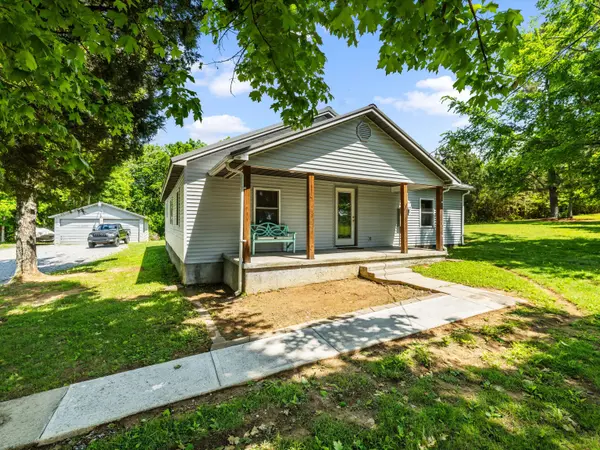
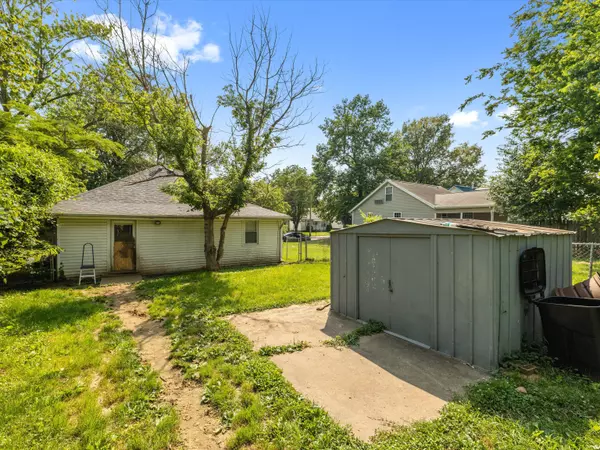
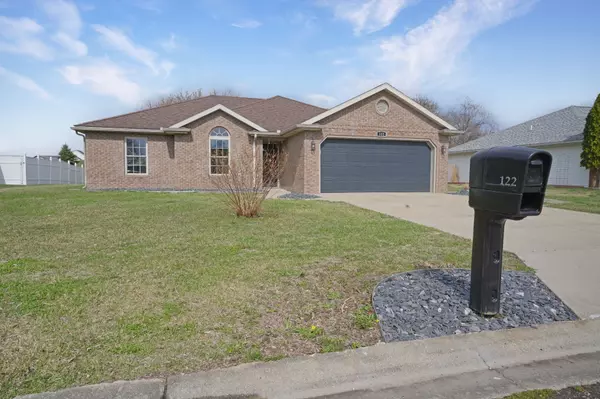
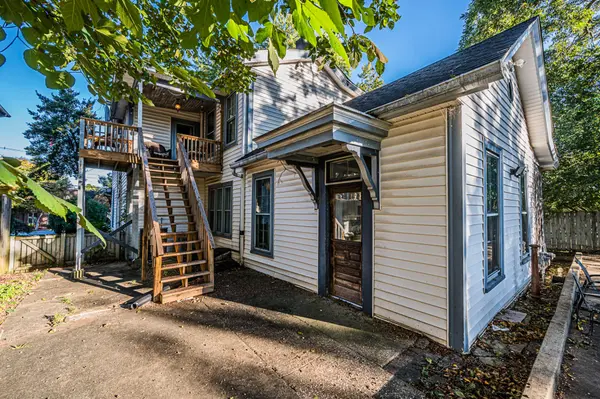
If you want to see what homes look like across different price brackets before you talk numbers, explore featured listings and then compare those same homes against recent sold listings to understand what’s moving.
Down payment assistance: how it works and what to confirm
If you’re hearing about KY first-time buyer grants, “forgivable” assistance, or second loans, the key is understanding the structure—not just the headline amount.
KHC describes down payment assistance as a loan structure in its Regular DAP (including a maximum assistance amount and repayment terms), and notes it’s available to KHC first-mortgage recipients.
Grant vs forgivable second mortgage vs repayable second loan
Program designs vary, but in general:
- Grant: typically doesn’t require repayment if program terms are met.
- Forgivable second: may be forgiven after specific occupancy/time requirements.
- Repayable second (common): a second loan that must be paid back under its terms.
Always confirm whether assistance is repayable, whether it places a lien on the property, and what happens if you refinance or sell.
What DPA may cover: down payment vs closing costs vs both
Some assistance can be used toward down payment, and some may also be allowed toward closing costs—rules depend on the program and the first mortgage type. KHC’s materials explain that assistance is tied to KHC first mortgages and includes program-specific limits and eligibility.
The “cash-to-close” reality: prepaids/escrows still matter
Even with down payment assistance, you may still need cash for:
- inspection and appraisal timing (often paid before closing)
- prepaids (insurance, taxes, prepaid interest)
- escrow setup
Common eligibility factors that decide what you qualify for
Credit score ranges
Credit requirements vary by loan and program. KHC lists a minimum credit score requirement within its eligibility overview for certain loan channels.
Income limits and household size
Many first-time buyer programs use county-based income limits. KHC specifically points buyers to income limits as part of eligibility for its programs.
Purchase price limits and property type
Some programs have purchase price caps and property rules (for example, eligible property types, occupancy expectations, or address-based eligibility for USDA). USDA eligibility is verified by address using the official tool.
Homebuyer education class requirements
A Kentucky homebuyer education class may be required depending on the program or lender. KHC explains it partners with nonprofits for counseling and education services, and that delivery formats can vary.
Documents you’ll want ready before you apply
Getting organized early can prevent delays once you’re under contract.
Pay stubs/W-2s, tax returns (if needed), bank statements, ID
Most lenders commonly request:
- recent pay stubs
- W-2s (and sometimes tax returns)
- bank statements for funds-to-close
- photo ID
What lenders look for with gift funds and large deposits
If you plan to use gift funds, expect documentation (gift letter and paper trail). If there are large deposits in your accounts, be prepared to show sourcing documentation to reduce underwriting headaches.
When you’re ready to map your price range to what’s actually available, start a shortlist from current listings and keep notes on property type (ranch vs. two-story, basement vs. crawlspace, etc.).
Categories
Recent Posts






"My job is to find and attract mastery-based agents to the office, protect the culture, and make sure everyone is happy! "