

How to Navigate Hancock County Ky Homes in 2026
How to Navigate Hancock County KY Homes in 2026
If you’re planning a move or a sale this year, the best approach is a clear plan and good local guidance—especially in smaller Kentucky markets where inventory can shift quickly. This FAQ-style guide breaks down practical steps for navigating Hancock County KY homes in 2026 without overcomplicating the process.
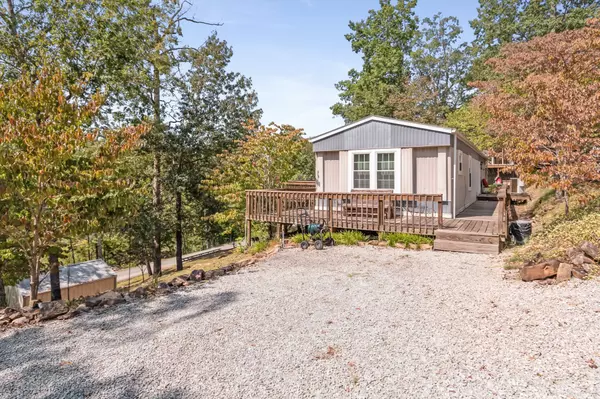
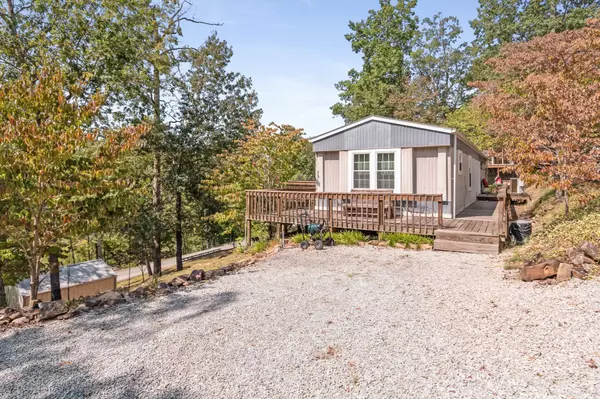
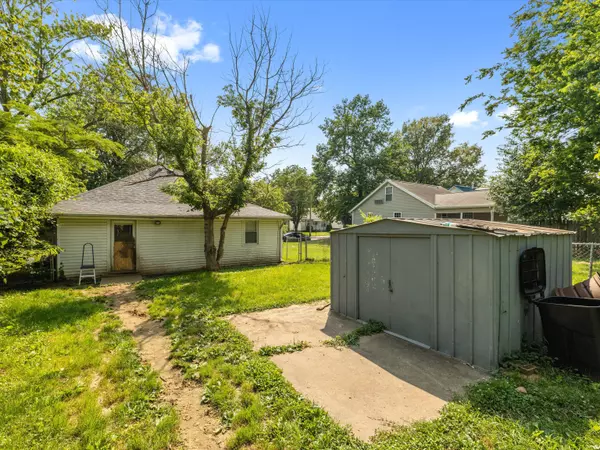
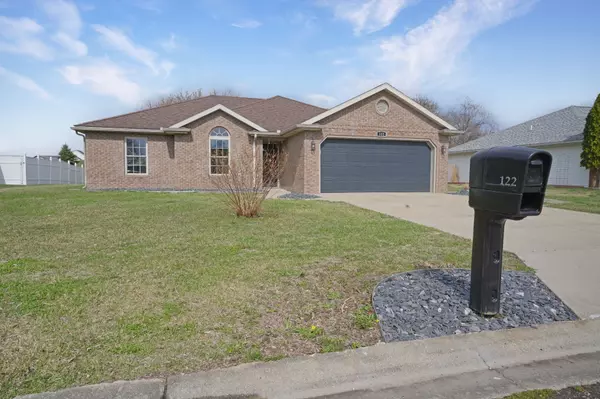
A helpful first step is to scan current Hancock County-area property listings so you can see typical home styles, price ranges, and what’s available right now.

What should I do first if I’m buying in 2026?
Start with clarity—budget, timeline, and non-negotiables—before you fall in love with a listing photo. Many buyers make faster decisions (and fewer regrets) when they define their needs early.
How-to: Build a buyer “home brief”
- Monthly payment comfort (not just purchase price)
- Location priorities (commute, schools, amenities, rural vs. in-town)
- Must-haves vs. nice-to-haves (bedrooms, land, garage, office space)
- Move-in ready vs. renovation tolerance
If you want a quick snapshot of what’s new and notable, check featured listings and compare them to your “home brief.”
How do I track the market without relying on hype?
You don’t need viral headlines to make a smart decision. The most useful signals usually come from what’s actively for sale and what actually closed recently—then applying that context to your goals.
How-to: Compare active vs. sold
- Review today’s inventory in your target areas using current listings
- Cross-check expectations by browsing recently sold homes
- Note differences in condition, acreage, updates, and days-on-market (your agent can help interpret what matters most)
What should I expect from the financing process in 2026?
Loan options and requirements vary by borrower and property type, and it’s normal for rates and programs to change over time. The goal is to get pre-approved early so you can shop with confidence and write stronger offers.
How-to: Prepare for pre-approval
- Gather pay stubs, W-2s (or self-employment documents), and bank statements
- Understand your down payment plan and reserves
- Ask your lender about estimated closing costs and timelines
For a clear, consumer-friendly overview of mortgages and homebuying steps, visit the Consumer Financial Protection Bureau homebuying resources (consumerfinance.gov). Also, HUD’s homebuying information (hud.gov) can help you understand the process and programs at a high level.
What inspections and due diligence should I prioritize?
Inspections aren’t just a checkbox—they help you understand the home’s condition and potential future costs. Your exact inspection list depends on the property, but buyers often benefit from thinking beyond the basics.
How-to: Build a practical due-diligence checklist
- General home inspection (structure, roof, HVAC, plumbing, electrical)
- Termite/pest inspection if recommended locally
- Sewer/septic considerations where applicable
- Radon testing (common in many regions; ask what’s typical for the home type)
- Well/water quality testing if the property has a private water source
Your agent can help you interpret inspection results and decide what’s reasonable to request—repairs, credits, or documentation—based on your comfort level and the situation.
How do I make an offer that protects me but stays competitive?
A strong offer isn’t always the highest price—it’s the clearest offer with terms that fit the seller’s timeline while protecting your essentials. In 2026, many buyers focus on clean communication, realistic deadlines, and smart contingencies.
How-to: Strengthen your offer (without overreaching)
- Get pre-approved before you tour seriously
- Keep deadlines clear (inspection, financing, closing)
- Decide in advance what you will negotiate (and what you won’t)
- Avoid waiving protections you don’t fully understand
If you have process questions, the FAQ page can help you understand common terms and next steps before you sign anything.
What if I need to sell and buy at the same time?
Coordinating two moves is common, but the sequence matters. Some homeowners prefer selling first for certainty, while others try to align the sale with their purchase timeline.
How-to: Choose a realistic plan
- If you’re selling first, start with a pricing and prep strategy using The Harris Group selling guidance
- If you’re buying first, talk through contingency options and timing with your agent
- Consider a home value baseline with a home evaluation to help you plan your equity and next purchase budget
How do I choose the right real estate help for Hancock County KY homes?
Look for clear communication, local familiarity, and a process you understand. The best fit is someone who explains tradeoffs plainly and helps you make decisions aligned with your goals.
How-to: Vet an agent quickly
- Ask how they handle rural properties, acreage, and unique home features
- Confirm how showings, offer deadlines, and negotiations are managed
- Review client experiences on reviews and learn more about the team on the About page
If you want to verify consumer-facing licensing information in Kentucky, you can also reference the Kentucky Real Estate Commission (krec.ky.gov) for general guidance.
Categories
Recent Posts





"My job is to find and attract mastery-based agents to the office, protect the culture, and make sure everyone is happy! "