

Annual Cost to Own a Home in Owensboro KY: 2026 Budget Breakdown (Taxes, Insurance, Utilities + More)
Annual cost to own a home in Owensboro KY: a 2026 budget breakdown you can actually use
If you’re relocating or buying locally, the annual cost to own a home in Owensboro KY is more than just a mortgage payment. A realistic budget includes taxes, insurance, utilities, maintenance, and a few “quiet” expenses that don’t show up in a typical home-search filter.
This guide gives you a practical checklist you can apply to any address—so you can compare homes with confidence before you make an offer.
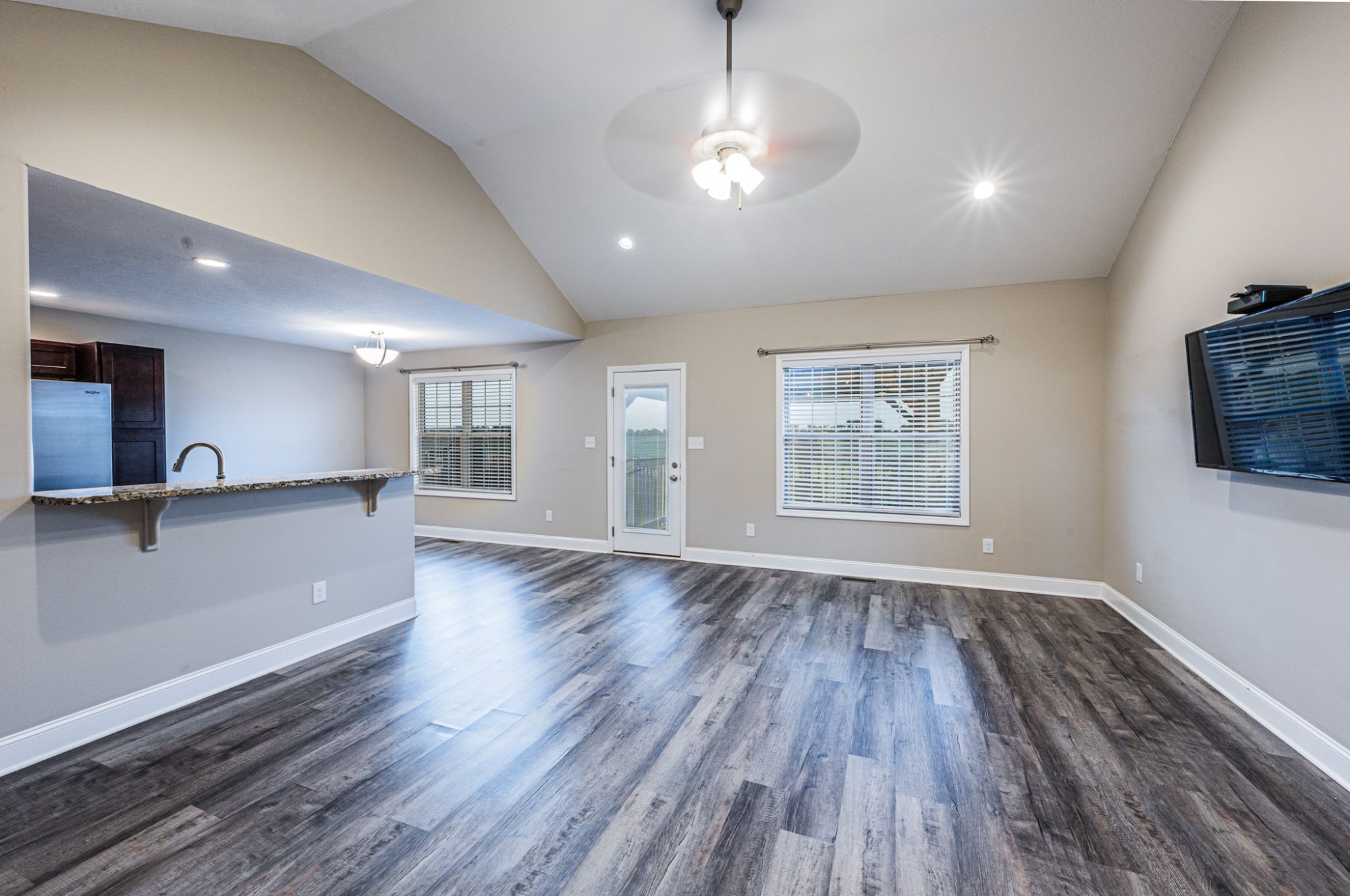
Many homeowners plan around a monthly payment and then get surprised by the other ongoing costs of ownership. A good budget typically accounts for: principal and interest, taxes, insurance, utilities, HOA fees (if any), and maintenance/repairs.
If you’re still exploring price ranges, start with the latest Owensboro-area listings and save 3–5 homes you like. Running the same cost checklist on a shortlist is far easier than guessing across dozens of options.
2026 budget breakdown: the main cost categories to plan for
1) Mortgage payment (principal + interest)
Your lender quote (or online pre-approval worksheet) is the best starting point. If you’re not pre-approved yet, your estimate can still be useful—just keep it consistent across homes.
Budget tip: Ask whether your payment quote includes escrow (taxes/insurance) or not. That one detail changes the “true monthly cost” dramatically.
2) Property taxes (city vs. county can matter)
Property taxes depend on the address, assessed value, and tax district rates. In Daviess County, the Sheriff’s Office publishes the property tax collection windows (discount, base, and penalty periods).
For planning, you can also review local real estate tax rate sheets posted by the Daviess County PVA to understand how rates differ by category and year.
Owensboro note: Some homes may have a “city” portion in addition to county/district portions, depending on whether the address is inside city limits. If you want help confirming what applies to a specific property, send your shortlist through our contact page.
3) Homeowners insurance (and optional add-ons)
Insurance varies by coverage level, deductible, and the home’s risk profile (age of roof, claims history, etc.). For budgeting:
- Get at least one quote early (even while you’re shopping)
- Ask about endorsements you may want (replacement cost, sewer backup, etc.)
- If a property is in a higher-risk flood area, confirm whether separate flood coverage is required or recommended
4) Utilities (electric, gas, water/sewer, trash, internet)
Utilities are highly household-dependent. The most reliable way to estimate is:
- Ask the seller for a 12-month utility history (when available)
- Call providers with the address and ask what they can share (some provide usage averages; some don’t)
Budget tip: If you’re comparing homes of different sizes or build eras, utilities can vary more than people expect—especially when HVAC systems are older or insulation is limited.
5) Maintenance and repairs (the “owner reserve”)
Even well-kept homes need ongoing upkeep: HVAC servicing, gutter cleaning, appliance repairs, landscaping, small plumbing fixes, and the occasional bigger surprise.
Budget tip: Instead of trying to predict every repair, set a consistent “maintenance reserve” in your monthly plan and increase it for older homes or homes with aging systems.
6) HOA dues (if applicable)
If a neighborhood has an HOA, include:
- Annual/quarterly dues
- Special assessments (if any)
- Rules that could affect future costs (fencing, sheds, rentals)
7) “Lifestyle extras” owners often forget
Depending on your household, you may also want line items for:
- Pest control / termite prevention
- Lawn care or tree trimming
- Security system or smart home subscriptions
- Equipment replacement (mower, trimmer, tools)
- Snow/ice supplies and seasonal prep
Owensboro-specific planning: key tax timing to know
Kentucky has a statewide collection cycle, and counties publish their local windows and instructions. If you’re buying or selling, those timelines can affect how taxes are prorated at closing and how you plan cash flow.
If you’re selling in 2026 and want a clearer “net” picture that accounts for common ownership costs, start with our seller resources and request a baseline with a home valuation.
How to estimate the annual cost (simple, repeatable method)
Use this quick process for each home on your shortlist:
Step 1: Start with your monthly payment estimate
- Principal + interest from your lender quote
- Add mortgage insurance (if applicable)
Step 2: Add annual property taxes
- Confirm whether the address has city and/or county portions (as applicable)
- Use local tax rate resources for context (and treat your closing paperwork as the final word)
Step 3: Add annual insurance
- Get an early quote (or a conservative placeholder until you can quote the exact address)
Step 4: Add utilities and HOA
- Use seller history when possible
- Add HOA dues if the community has them
Step 5: Add a maintenance reserve
- Set a monthly reserve amount you’re comfortable with and keep it consistent across comparisons
Then: Convert annual items to monthly (taxes ÷ 12, insurance ÷ 12, etc.) and add everything together. That total is your “true monthly ownership cost.”
2026 budget checklist (copy/paste)
Use this as a one-page worksheet:
- Mortgage (P&I): ______ /mo
- Mortgage insurance (if any): ______ /mo
- Property taxes: ______ /yr → ______ /mo
- Homeowners insurance: ______ /yr → ______ /mo
- Utilities (electric/gas/water/trash/internet): ______ /mo
- HOA dues (if any): ______ /mo
- Maintenance reserve: ______ /mo
- Other (pest/lawn/security/etc.): ______ /mo
Estimated total monthly ownership cost: ______ /mo
Estimated total annual ownership cost: ______ /yr
If you want a second set of eyes on your worksheet numbers for a few properties, share your shortlist via contact.
FAQ: annual cost to own a home in Owensboro KY
Are property taxes and insurance usually included in a mortgage payment?
Often, yes—if you have an escrow account. But not always. Always confirm whether your quoted payment includes escrow.
What costs tend to increase over time?
Taxes and insurance can rise, and utilities/maintenance can change with usage and aging systems. The CFPB notes ongoing ownership costs can increase over time, which is why it’s smart to plan with a cushion.
If I’m buying mid-year, do I pay the whole year of taxes?
Typically taxes are prorated at closing, but the details depend on the contract and closing statement. Your title/closing team will outline exactly how it’s handled.
What’s the fastest way to compare homes fairly?
Use the same worksheet and assumptions for every home, and only change the address-specific items (taxes, insurance quote, HOA, utilities history).
Next steps for your 2026 move
- Start your shortlist with the current Owensboro listings and check the featured listings for homes to compare.
- Explore more local homeowner planning tips in our real estate blog and common questions on our FAQ page.
- Learn who you’ll be working with on our About page and see feedback on the Reviews page.
- When you’re ready, send your top 3–5 addresses through our contact page and we’ll help you sanity-check the full annual cost picture.
Categories
Recent Posts

"My job is to find and attract mastery-based agents to the office, protect the culture, and make sure everyone is happy! "